Translate

Showing posts with label psychology. Show all posts

Tuesday, January 12, 2016

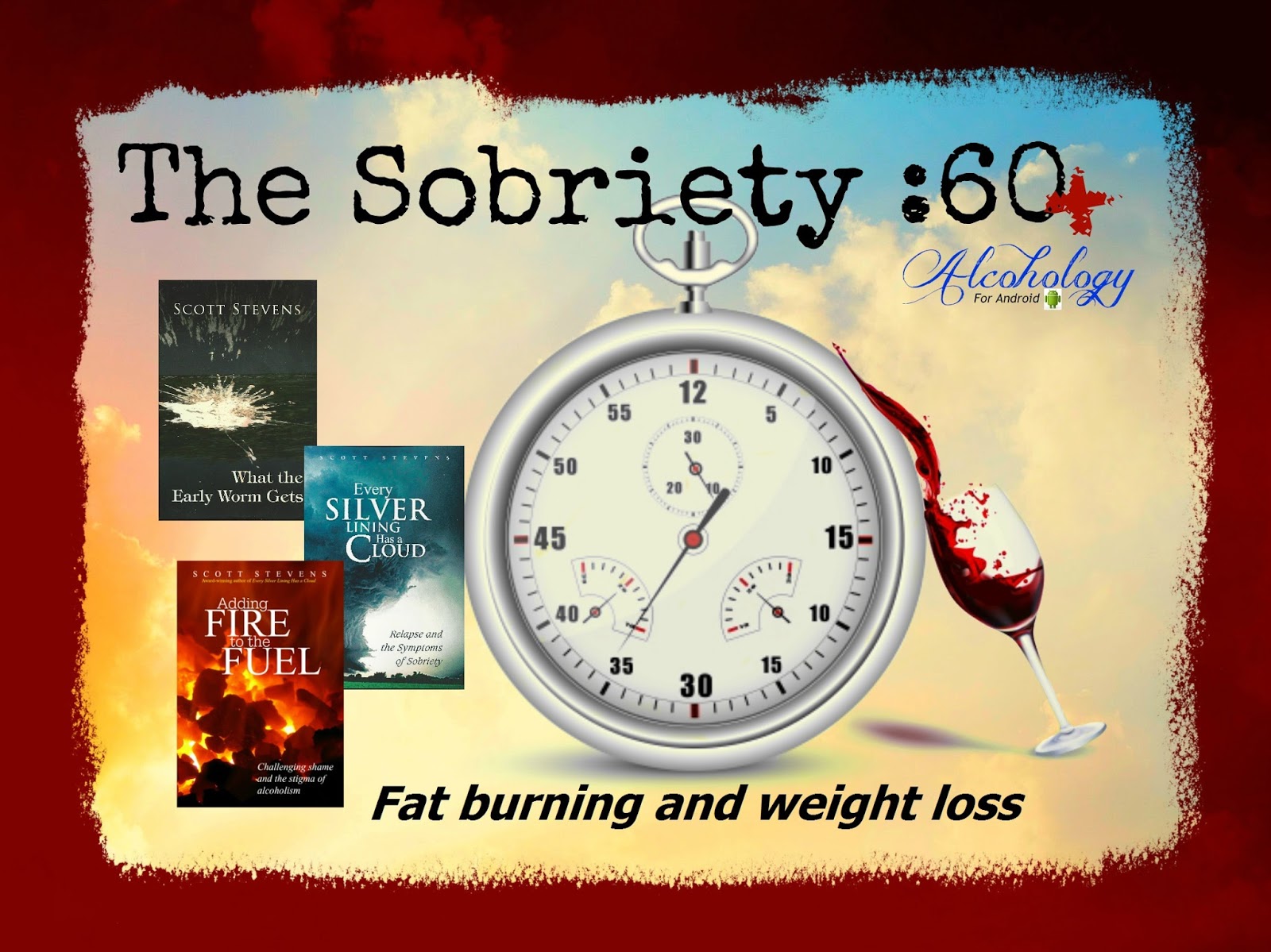
Why 2016 fat-loss goals will fail for alcohol users

The most popular New Year's resolution: Drop weight. The least successful New Year's Resolution: The same one. Drinking may have a role in the missed goals. (Watch the YouTube video or read the entire article. )

The body uses as fuel macronutrients stored from the things you eat. Macronutrients is the expensive way to say carbohydrates, fat and protein. Pure alcohol has none of those. The macronutrients in alcoholic beverages come from what carries the alcohol or the mixer used. For example, a shot of whiskey is 40 percent pure alcohol, the remaining 60 percent is water and colors/flavorings. Mix the shot with a glass of ginger ale, and you add more carbs with the sugars. These carbs do not get burned and no stored body fat is going to get burned until the body first gets rid of the toxin, alcohol.

Alcohol is the first fuel to get burned in other words. Fat burning is postponed for alcoholics and non-alcoholics alike because fat won't burn when there's alcohol in the body.
Pure alcohol also is calorie dense at seven calories per gram. Only fat is denser at 9 calories per gram. Alcohol's seven calories lack the macronutrients beneficial for a healthy metabolism, so even if a dieter swaps out food for alcohol, the alcohol calories aren't useful. In fact alcohol calories hasten fat storage since they don't benefit digestion.
Speaking of fat burning, men… listen up. Alcohol reduces testosterone. Sure, some of us alcoholics may act like caveman and all lumbersexual as if the alcohol tripled testosterone, but alcohol actually cuts it by a third. Testosterone is the body's anabolic hormone that contributes to lean muscle gain. Lower testosterone from alcohol use means less muscle, less muscle means a lower metabolic rate, and the metabolic rate dictates the body's potential to burn fat.

If you want to burn off fat pounds, your body is designed to do that, too, naturally. But it won't happen with alcohol. It's another reason why sobriety is a better thing to have than to lack.
Visit alcohologist.com for a replay of CBS Sports' Power Up Your Health featuring Scott Stevens.  Host Ed Forteau led a discussion on risky myths of about "healthy" drinking.  Lucy Pireel's "All That's Written" included a feature on Every Silver Lining Has a Cloud called "When alcohol doesn't work for you anymore."  Details on the third literary award for Every Silver Lining Has a Cloud and the first for Adding Fire to the Fuel also can be found on www.alcohologist.com. Download the FREE Alcohology app in the Google PlayStore today. Stevens also is the public relations officer with AddictedMinds.com and works with TheAddictionsAcademy as well.


Sunday, November 1, 2015

Scott Stevens presents for Red Ribbon Week

Here's a shortened teaser version of the alcohol education presentation -- What Causes Problems, is One --  for middle and high schools. The entire 50-minute program is on YouTube at https://youtu.be/Pt2zZHfaBIE

Visit alcohologist.com for a replay of CBS Sports' Power Up Your Health featuring Scott Stevens.  Host Ed Forteau led a discussion on risky myths of about "healthy" drinking.  Lucy Pireel's "All That's Written" included a feature on Every Silver Lining Has a Cloud called "When alcohol doesn't work for you anymore."  Details on the third literary award for Every Silver Lining Has a Cloud also can be fou.nd on www.alcohologist.com, plus the NEW book, Adding Fire to the Fuel, is now available. Download the FREE Alcohology app in the Google PlayStore today

Sunday, October 18, 2015

Alcoholism recovery medications and the quest for the Holy Grail


Medication to help a person maintain abstinence is an entirely different concept than medication to cure alcohol addiction. The former exists, the latter has been a pipe dream of the Holy Grail sort for generations. (Read the entire article or share the YouTube video.)

The progress continues on encouraging new medications that help a person in early sobriety hang onto that sobriety. Disulfiram, or antabuse, was first patented almost 100 years ago. It works by consequence: If you drink while you're on antabuse, you get violently ill. Even if you don't drink on antabuse, it still gives you a dull, all-day headache. It blocks metabolism of alcohol at an early stage, resulting in a build up of acetaldehyde, which is even more toxic than the alcohol. Many doctors don't or won't prescribe this old treatment because it is a medicine that can make you sick. First Do No Harm is a doctor's sworn oath.

It was originally patented to treat stomach parasites. It's effect when mixed with alcohol was discovered decades later when European soldiers were taking it to fight of jungle illnesses in Malaysia and it seriously messed up the drinking of those who were so inclined.
Better abstinence treatments are naltrexone and acamprosate. There are newer treatments, including the pain reliever gabapentin. This isn't intended to be an all-inclusive report. Naltrexone, or Revia, works on the brain's reward mechanism. Acamprosate, or Campral, does as well. The exact mechanism isn't understood completely, however both drugs emerged in the last three decades as being effective at reducing cravings and increasing the number of people who remain abstinent, when combined with counseling.

And that's why there isn't and won't be a recovery pill, only an abstinence-enhancing pill: Because there is not a pill for counseling. A previous episode of The Sobriety :60+ explained the differences between abstinence, sobriety and recovery.
Presently, about nine percent of alcoholics are on any type of abstinence pill. The quest for the Holy Grail pill that will stop alcohol dependence and let someone drink risk-free isn't possible. First off, it doesn't address why the person is drinking alcohol in the first place. Second, there is no such thing as drinking a toxin and known carcinogen without risk: Even moderate use shortens life expectancy and increases risk of 60 other diseases beyond the disease of alcoholism. And a physician is called to First Do No Harm.
Visit alcohologist.com for a replay of CBS Sports' Power Up Your Health featuring Scott Stevens.  Host Ed Forteau led a discussion on risky myths of about "healthy" drinking.  Lucy Pireel's "All That's Written" included a feature on Every Silver Lining Has a Cloud called "When alcohol doesn't work for you anymore."  Details on the third literary award for Every Silver Lining Has a Cloud also can be found on www.alcohologist.com, plus the NEW book, Adding Fire to the Fuel, is now available. Download the FREE Alcohology app in the Google PlayStore today.

Monday, October 5, 2015

UNITE to Face Addiction: More Americans dead from drugs annually than killed in two wars


October is a very special time. Breast Cancer Awareness Month as it has become known started in 1985. There's a lot of pink during the observance… most of it well intentioned, some of it damn ironic. Take for instance any sporting event in the U.S. which features athletes adorned in pink equipment right before the broadcast cuts away to an alcohol commercial.

(The new episode looks at the UNITE rally, Breast Cancer Awareness Month, how the two are connected and how the movements are on different trajectories until NOW. Watch the YouTube Video or read the article.)

Alcohol use is the only proven dietary link to an increased risk of breast cancer. It's a point made in several previous episodes of The Sobriety :60+ that daily alcohol consumption of only 10 grams – about a spoonful, or the amount of alcohol in one drink – is enough to increase breast cancer risk 10 percent (see episode #2 and episode #3A.) For women drinking two a day, the risk of breast cancer is 51 percent higher than an abstainer. Risks are especially acute for women who started drinking in their teens, but all in, alcohol is linked to 15 percent of all breast cancer deaths. It's the Pink Ribbon risk hiding in plain sight… behind the Pabst Blue Ribbon.

The other reason October is a special time is the reason I'm in Washington, DC. The UNITE to Face Addiction event on the Washington Mall. Those in recovery, their families, those in the helping professions and family members of those lost to alcohol and other drugs poured into DC to show that we do recover, awareness of the disease of addiction needs to become as mainstream as the pink ribbons to overcome the stigma. 

Betty Ford was instrumental in fighting the stigma of both alcoholism and breast cancer. First, she became among the very first to publicly speak about a mastectomy, the result of breast cancer, in 1974. Up until then, it was called female cancer, and never spoken of. In 1978, her family intervened and got her into treatment for alcoholism, and she became an outspoken advocate for recovery.

Until today, the two movements have been on different trajectories. Awareness of breast cancer – which kills 40,000 women a year – and its treatment are at an all time high. The stigma is gone. Awareness of the dangers of alcohol use – which kills more than twice as many people – and its treatment are still a stigma loaded topic. It's changing slowly, but it's changing. Events like the UNITE event achieve what all the Race for the Cure races certainly achieved for awareness of and compassion for those with a deadly but treatable disease. With all the connections between cancer, especially breast cancer, and alcohol use coming to the forefront, there's a significant probability you won't see pink sports gear and beer commercials in the same October broadcast by the end of this decade. Because what causes problems, is one. I'm located between the Vietnam War Memorial and the Korean War Memorial on the Mall on purpose: Alcohol use kills more Americans in a single year than both conflicts combined.
 Visit alcohologist.com for a replay of CBS Sports' Power Up Your Health featuring Scott Stevens.  Host Ed Forteau led a discussion on risky myths of about "healthy" drinking.  Lucy Pireel's "All That's Written" included a feature on Every Silver Lining Has a Cloud called "When alcohol doesn't work for you anymore."  Details on the third literary award for Every Silver Lining Has a Cloud also can be found on www.alcohologist.com, plus the NEW book, Adding Fire to the Fuel, is now available. Download the FREE Alcohology app in the Google PlayStore today.

Sunday, September 27, 2015

Unexpected alcohol lapse traps in the medicine cabinet

The usual cast of characters that can escort a sober person down the trail toward a lapse goes by the initials PPT: People, Places and Things. For example, you hang out with the same 'ol crew of drinking buddies, what would you expect to happen? They'd just leave you alone? Every Silver Lining Has a Cloud encapsules PPT in a layer of four emotional stressors: Guilt, Shame, Grief and Forgiveness. There could be a relapse lurking in the medicine chest, as well. (Watch the YouTube vid or read the article)

Of course there are cough suppressants that contain alcohol, that's the easy one to figure out. When you're early in sobriety, feeling that familiar burn down the throat could bring on memories of the good old days – which really weren't that good, or you wouldn't be catching Sobriety :60 videos. Alcohol is alcohol, whether it comes in a shotglass or cough syrup.
Sleep aids aren't quite as obvious as relapse traps. Alcohol is a depressant. Sleep aids are depressants. The brain doesn't make such an exact distinction between the two, and historically, drinkers have used alcohol as a sleep aid – or excused their drinking by saying it helps them sleep. It isn't just the prescription sleep aid like abilify. It's also the over-the-counter one, and especially concoctions like Motrin PM or Tylenol PM. I'm guilty as hell on this one, it's in my night stand, too, until this segment is over.

What happens is this...You start using it... Then you “need” it a couple nights in a row. Then one pill isn't doing it, so we take three, because that's the way the alcoholic mind works. You may be developing a dependency, not so much on the actual chemical, but on the feeling of sedation. When the sleep aids don't work for you anymore, where does that leave a person? Back to alcohol. It's a slippery slope. There's another famous relapse acronym to go with PPT, it's HALT: Hungry, Angry, Lonely and Tired.

Here's the very alcoholic reason why I still have the Ibuprofen PM in my nightstand: Because it won't happen to me, the warning is only for those other guys. Right.

Visit alcohologist.com for a replay of CBS Sports' Power Up Your Health featuring Scott Stevens.  Host Ed Forteau led a discussion on risky myths of about "healthy" drinking.  Lucy Pireel's "All That's Written" included a feature on Every Silver Lining Has a Cloud called "When alcohol doesn't work for you anymore."  Details on the third literary award for Every Silver Lining Has a Cloud also can be found on www.alcohologist.com, plus the NEW book, Adding Fire to the Fuel, is now available. Download the FREE Alcohology app in the Google PlayStore today.


Sunday, September 13, 2015

Recovery Month: Explaining the differences between abstinence, sobriety and recovery


Abstinence, sobriety and recovery aren't interchangeable words. Abstinence is simply (or sometimes not so simply) compliance with not putting alcohol into the body. Sobriety is when it works and you begin to put it into play in your life. Recovery is when you reap the rewards of living a life contently with the fact that sobriety is a better thing to have than to lack. (Watch the episode on YouTube or read the entire article)

Think of sobriety being the first tee of the first hole on a golf course. It leads down a long fairway, sometimes you hit terrible shots, but you keep moving toward the first hole. The first hole is reaching recovery. You've snatched a victory from the bottle for now. Keep in mind that the round isn't over with the first hole… similar to the way you're not finished with recovery regardless of how great you played your sobriety. You can throw the whole round if you get cocky or start getting lazy after just one hole.

Abstinence… that's just the driving range. Some of us hit a few more balls on the range than others. Each one, though, could lead up to the first tee.

National Recovery Month celebrates the new life that begins with reaching that first green. Personally, I try to make every month a recovery month celebration. Beats going back to the driving range.

Two things to remember about sobriety and recovery. First, neither word is a synonym for boring or miserable. Second, they don't mean life is going to be perfect. It wasn't before, either. You know why they just write numbers on the golf score card? Because if you drew pictures, par sometimes wouldn't look so pretty and nobody would play on. Doesn't matter how you reach recovery, just that you take your swings at it. It works out fine. Don't need to take my word for it: Give sobriety a try and if it isn't better, I'm certain the liquor store – or the 19th hole – will still take your money and gladly allow you to return to the misery. If that's the case, hope to see you back on the driving range... and the first tee.

Visit alcohologist.com for a replay of CBS Sports' Power Up Your Health featuring Scott Stevens.  Host Ed Forteau led a discussion on risky myths of about "healthy" drinking.  Lucy Pireel's "All That's Written" included a feature on Every Silver Lining Has a Cloud called "When alcohol doesn't work for you anymore."  Details on the third literary award for Every Silver Lining Has a Cloud also can be found on www.alcohologist.com, plus the NEW book, Adding Fire to the Fuel, is now available. Download the FREE Alcohology app in the Google PlayStore today.

Sunday, August 30, 2015

Pear juice, coffee, water, or Hair of the Dog won't cure alcohol hangovers


A July 2015 junk-science news article claimed pear juice cuts hangover symptoms.  A more recent news piece suggests that traditional hangover prevention tactics like loading up on greasy food or pounding water aren't really effective.  An article called Bourbon Legends on alcohologist.com back in 2013 debunked all those over the counter remedies, urban legends and old-wives tales about how to beat back the misery.  Instinctively, everyone knows there is no Holy Grail of hangover helpers, and one sure-fire prevention method. (Share the YouTube video or read the full article.)

Old tactics like 'Beer before liquor, never sicker' just defy math.  Having three beers before two shots of tequila or two shots before three beers still adds up to five drinks. The stomach and small intestine are responsible for absorbing the alcohol and make no distinction. All alcohol varieties metabolize at the same rate.

Other nutty experiments include eating pasta before bed, popping pain relievers and downing coffee. Eating before bed only widens the waistline. Popping acetaminophen (a.k.a. Tylenol) while or after drinking can permanently damage the liver. Drinking coffee only makes a wide-awake drunk.

It's merely urban legend that wine and diet drinks avoid hangovers. Wine – especially red wine – is actually worse than vodka, gin or other clearer drinks. Red wines contain tannins, which can turn a bad headache into an all-dayer.  A 2013 study appearing in Alcoholism: Clinical & Experimental Research (see related examiner.com article) determined that diet sodas increase blood alcohol concentration (BAC) because of how the stomach processes the artificial sweeteners.

Throwing up only empties the stomach and it's too late anyway. Alcohol is absorbed very quickly by the stomach and small intestine linings, which may have already begun to speed the alcohol to the bloodstream well before the finger-in-the-throat trick. 'Hair of the Dog' fixes nothing.  Morning drinking is a sign of alcohol abuse and the disease of alcoholism. More alcohol never helped anyone. It only postpones the hangover, which has its worst symptoms when the BAC reaches .00.

The only proven cure is time... or just not drinking.

Visit alcohologist.com for a replay of CBS Sports' Power Up Your Health featuring Scott Stevens.  Host Ed Forteau led a discussion on risky myths of about "healthy" drinking.  Lucy Pireel's "All That's Written" included a feature on Every Silver Lining Has a Cloud called "When alcohol doesn't work for you anymore."  Details on the third literary award for Every Silver Lining Has a Cloud also can be found on www.alcohologist.com, plus the NEW book, Adding Fire to the Fuel, is now available. Download the FREE Alcohology app in the Google PlayStore today.

Sunday, August 16, 2015

Nearly one in five older adults drink daily, but not without greater risk than those younger than 65


A July 2014 study by consumer analysts, The Mintel Group, concludes 18 percent of people over age of 65 drink daily. (Share the video or read the transcript). The Centers for Disease Control and Prevention (CDC) says one in ten in this age group is a binge drinker. Not every daily or binge drinker is alcoholic, however there are considerations aside from the disease of alcoholism:
There’s a three times higher rate of depression compared to non-drinking seniors;
Drinkers have a three times greater risk of hip fracture; and
Drinkers past the retirement age have a 16 times greater likelihood of a suicide attempt compared to a non-drinker.
There are drug interactions as well, as highlighted in a previous episode, and as people age they generally are prescribed more medications and take more over the counter remedies. All in, more than 120 meds have an adverse reaction to alcohol.
Statistics on alcohol-related deaths in older adults are not entirely accurate, although they point to a higher toll than the under-60 crowd. Take for example, a retiree who has a wicked fall following a drinking episode or an alcohol/drug interaction. The medical examiner's “cause of death” would be a head injury. What caused the head injury? Or more to the point, what caused the fall? Back to an earlier stat: Why do drinkers have a higher likelihood of hip fracture? Not just because old age weakens bone, but because alcohol compromises an already compromised sense of balance.
A July 2015 British Medical Journal study noted that those over age 50 who are active, social and well-off are drinking more – a “middle class phenomenon” which may be a hidden health and social problem in otherwise successful older people.

What may skew all the stats on the extent of drinking in older adults is that maybe they’re drinking the same as ever before (which would be bad news or no news) but now they’re wise enough to admit to problem drinking and seek help for alcohol use disorders that nobody solves on their own (and that's good news).

Visit alcohologist.com for a replay of CBS Sports' Power Up Your Health featuring Scott Stevens.  Host Ed Forteau led a discussion on risky myths of about "healthy" drinking.  Lucy Pireel's "All That's Written" included a feature on Every Silver Lining Has a Cloud called "When alcohol doesn't work for you anymore."  Details on the third literary award for Every Silver Lining Has a Cloud also can be found on www.alcohologist.com, plus the NEW book, Adding Fire to the Fuel, is now available. Download the FREE Alcohology app in the Google PlayStore today.

Sunday, August 2, 2015

Four signals of alcohol-related liver damage


If the liver had pain nerves, nobody would ever take a second drink.  The stuff is that toxic. Spill a drop in a cut or an accidental splash in the eye will demonstrate what I mean.  The liver is a resilient, tough toxin eradicating giant, but it will let you know when it's had enough punishment. (Read the transcript or share the YouTube video )

Here are four tells of alcohol-related liver damage.
1) Waste elimination issues.  Bloody or black stool is a sign you've damaged something.  See a doctor immediately. Dark urine, light-colored diarrhea are more common.  They're caused by your body dumping bile, which it over produces to combat the toxin.  The yellow is from bilirubin, a pigment in the bile. Urine will be dark when you're dehydrated.  Another issue associated with alcohol.  But consistently dark urine is a warning sign your liver is in danger.  Also, bilirubin is eliminated in sweat. A white shirt will look yellow in the arm pit.

2) Bilirubin also makes you appear jaundiced, which is a yellowing of tissues.  The first place you'll notice this is not the skin, but the whites of the eyes.  Fingernails also can yellow.

3) A swollen and/or sensitive abdomen is a telling sign you're pretty far down the path on alcohol-related liver damage.  The liver becomes fatty.  It's located mostly behind the ribcage, and when it swells in size it will force your other entrails down to the softer belly.  Cirrhosis also builds up fluid in the abdomen as well.

4) If you tire easily or feel fatigued, blame the alcohol.  It doesn't just clobber your sleep, as covered in previous episodes of The Sobriety :60+.  The body also is working overtime and channeling energy to remove alcohol and its toxic byproduct just to survive.  This is the most common symptom, and most overlooked one until it is joined by some of the other ones.

These conditions can be the results of other health challenges, but if you're a drinker, the obvious solution is usually the right one: Quit.  What causes problems, is one.

Visit alcohologist.com for a replay of CBS Sports' Power Up Your Health featuring Scott Stevens.  Host Ed Forteau led a discussion on risky myths of about "healthy" drinking.  Lucy Pireel's "All That's Written" included a feature on Every Silver Lining Has a Cloud called "When alcohol doesn't work for you anymore."  Details on the third literary award for Every Silver Lining Has a Cloud also can be found on www.alcohologist.com, plus the NEW book, Adding Fire to the Fuel, is now available. Download the FREE Alcohology app in the Google PlayStore today.

Sunday, July 19, 2015

Three ways alcohol brings on asthma attacks


Share episode #50's YouTube video or read the transcript below.  Follow this link for full article.

With a rash of new inhaler-type treatments, more effective drugs like kinase inhibitors, and the promise of immunotherapy, what gets lost in the shuffle for asthmatics is what brings on an asthmatic attack. Some asthmatics learn the hard way that alcohol can set off their asthma. A study by the University of Western Australia published in the Journal of Allergy and Clinical Immunology reports that alcohol brings on the symptoms of asthma. Forty-three percent of study patients had allergic reactions to various alcoholic drinks, while 33 percent said the alcohol alone brought on asthmatic reactions like wheezing and coughing. One in four had to hit the inhaler after drinking.
Asthma attacks triggered by alcohol reportedly came on in less than an hour, were moderate in severity and more common in women. People who took oral steroids had more reactions, and so did those who were children when they were originally diagnosed asthmatic.
Alcohol doesn't cause asthma, it worsens asthma symptoms. The reactions could be the result of the alcohol on the body as well as the sulfites found in wine and some spirits and malted beverages. Wine was the most frequent trigger in this study, red wine being the most common trigger, followed by white wine. Sulfites seldom bother non-asthmatics.
Another reason alcohol can be a trigger: Boozing it up can cause acid reflux and stomach fluid can bubble up into air passages causing swelling and the wheezing. Beer isn't off the hook. Fermented drinks are complex combinations of naturally occurring chemicals that resemble histamines. Asthmatics may react with asthma symptoms. Even non-asthmatics react to histamines and get a stuffy nose from beer excess – thus the term “having a snoot full.” Another reason sobriety is a better thing to have, than to lack.

Visit alcohologist.com for a replay of CBS Sports' Power Up Your Health featuring Scott Stevens.  Host Ed Forteau led a discussion on risky myths of about "healthy" drinking.  Lucy Pireel's "All That's Written" included a feature on Every Silver Lining Has a Cloud called "When alcohol doesn't work for you anymore."  Details on the third literary award for Every Silver Lining Has a Cloud also can be found on www.alcohologist.com, plus the NEW book, Adding Fire to the Fuel, is now available. Download the FREE Alcohology app in the Google PlayStore today.

Sunday, June 21, 2015

Father's Day: Alcohol has a tie to prostate trouble, hair loss and graying


Drinking is tied to prostate trouble, gray hair, hair loss, and that spare tire.  Read the transcript or share the YouTube video.

Visit alcohologist.com for a replay of CBS Sports' Power Up Your Health featuring Scott Stevens.  Host Ed Forteau led a discussion on risky myths of about "healthy" drinking.  Lucy Pireel's "All That's Written" included a feature on Every Silver Lining Has a Cloud called "When alcohol doesn't work for you anymore."  Details on the third literary award for Every Silver Lining Has a Cloud also can be found on www.alcohologist.com, plus the NEW book, Adding Fire to the Fuel, is now available. Download the FREE Alcohology app in the Google PlayStore today.

Sunday, June 7, 2015

Gender study links alcohol, gender, insomnia and suicide


The Sobriety :60+ episode 44: Previous episodes of The Sobriety :60+ have covered sleep and alcohol, alcohol and suicide, and the ways genders handle alcohol differently. Those are episodes 19, 15 and 42 if you're YouTubing. A new study shows how the three topics converge. Read the transcript 
or share the YouTube vid.


Visit alcohologist.com for a replay of CBS Sports' Power Up Your Health featuring Scott Stevens.  Host Ed Forteau led a discussion on the health risks and myths of health benefits of drinking.  Lucy Pireel's "All That's Written" included a feature on Every Silver Lining Has a Cloud called "When alcohol doesn't work for you anymore."  Details on the third literary award for Every Silver Lining Has a Cloud also can be found on www.alcohologist.com, plus an interview with Christoph Fisher Books.  Mr. Fisher is an acclaimed international author from the UK, among his works is the Alzheimer's book "Time to Let Go."  Download the FREE Alcohology app in the Google PlayStore today.

Thursday, June 4, 2015

Study: 33 million have an 'I-Don't-Have-a-Problem' alcohol problem

Researchers from the National Institute on Alcohol Abuse and Alcoholism (NIAAA) asked 36,000 adults about lifetime drinking habits, including current or within the past year. In the study published June 3 online in JAMA Psychiatry, 14 percent of adults were current or recent problem drinkers, or nearly 33 million nationally. Thirty percent – almost 69 million – had been at some point in their lives.

The study uses a newer classification of alcohol use disorders from the Diagnostic and Statistical Manual (DSM-5) released in 2013. Using the older DSM-IV definition, the rates of problem drinking were still higher: 13 percent for current or recent problem drinking and 44 percent for lifetime prevalence – up from 9 percent and 30 percent in the agency’s 2001-02 survey.

Alcohol abuse and the disease alcoholism (see, Know the Difference) are often untreated, partly due to society's stigma on those with alcohol use disorders, and in part due to denial. According to recovery book Every Silver Lining Has a Cloud, “people with the disease of alcoholism often point to others as having a problem, but they personally don't have one, because it is the only disease that convinces the carrier that he/she doesn't have it.”

The study's author, the NIAAA's Bridget F. Grant, says, “This study highlighted the urgency of educating the public and policy makers about alcohol use disorder and its treatments, destigmatizing the disorder, and encouraging among those who cannot reduce their alcohol consumption on their own, despite substantial harm to themselves and others, to seek treatment.” The numbers may be low, too. In a Nov. 18, 2011 ABC News/Gallup Poll, 67 percent of Americans admitted to having ever abused alcohol. The CDC puts the number at 61.2 percent currently drinking frequently and 14 percent former regular drinkers. Drinking problems were most prevalent among men, whites and Native Americans. Low-income adults, those younger than 30 and those who never married also relatively high rates. Problem drinking also was more common among city dwellers than those in rural areas, while the West and Midwest had higher rates than other regions.

NIAA director, George Koob, said it’s unclear why problem drinking has increased but that many people underestimate the dangers of excessive alcohol. “Many won’t seek help because of stigma and denial, and many don’t realize that medications and behavior treatments can help.” A new alcoholism recovery book,Adding Fire to the Fuel, is being released at the REEL Recovery Film Festival in San Francisco June 13 and addresses the stigma of alcohol use disorders. “It's a disease: Same kind of chronic, progressive, incurable-but-treatable, primary and fatal classification as cancer or diabetes. When we handle people with those other diseases with empathy, and dish out distaste to alcoholics or recovering ones, we create a social and economic problem that's passed its tipping point,” notes the author.

The new book looks at the stigma around alcoholism and alcoholism recovery as a $226 billion annual problem hiding in plain sight. “The story of alcohol and America's affair with it keeps it from being recognized as the problem. Instead, people with the disease of alcoholism are considered the problem. 'Alcoholic' is a pejorative today. That's ripe for change.”

The book includes a graph delineating the differences between alcohol abuse and alcoholism. People interested in evaluating their own alcohol consumption can take any number of self-tests (see related video, Alcoholism Screening Explained). Naturally, the most recommended assessment isn't one done alone, but by a medical or counseling professional. The DSM-5 lists 11 criteria for alcohol use disorders. In the past year, have you:

  1. Had times when you ended up drinking more, or longer than you intended?
  1. More than once wanted to cut down or stop drinking, or tried to, but couldn’t?
  1. Spent a lot of time drinking? Or being sick or getting over the aftereffects?
  1. Experienced craving — a strong need, or urge, to drink?
  1. Found that drinking — or being sick from drinking — often interfered with taking care of your home or family? Or caused job troubles? Or school problems?
  1. Continued to drink even though it was causing trouble with your family or friends?
  1. Given up or cut back on activities that were important or interesting to you, or gave you pleasure, in order to drink?
  1. More than once gotten into situations while or after drinking that increased your chances of getting hurt (such as driving, swimming, using machinery, walking in a dangerous area, or having unsafe sex)?
  1. Continued to drink even though it was making you feel depressed or anxious or adding to another health problem? Or after having had a memory blackout?
  1. Had to drink much more than you once did to get the effect you want? Or found that your usual number of drinks had much less effect than before?
  1. Found that when the effects of alcohol were wearing off, you had withdrawal symptoms, such as trouble sleeping, shakiness, irritability, anxiety, depression, restlessness, nausea, or sweating? Or sensed things that were not there?

“If you have any of these symptoms, your drinking may already be a cause for concern,” reads the manual, however any two or more of the criteria constitutes an alcohol use disorder as identified in the NIAAA study.


Visit alcohologist.com for a replay of CBS Sports' Power Up Your Health featuring Scott Stevens.  Host Ed Forteau led a discussion on the health risks and myths of health benefits of drinking.  Lucy Pireel's "All That's Written" included a feature on Every Silver Lining Has a Cloud called "When alcohol doesn't work for you anymore."  Details on the third literary award for Every Silver Lining Has a Cloud also can be found on www.alcohologist.com, plus an interview with Christoph Fisher Books.  Mr. Fisher is an acclaimed international author from the UK, among his works is the Alzheimer's book "Time to Let Go."  Download the FREE Alcohology app in the Google PlayStore today.


Sunday, May 24, 2015

Women more susceptible to alcohol-related damage from lighter drinking


The Sobriety :60+ #42 on men, women and alcohol examines gender differences in handling alcohol. 

Pound for pound, women have less water in their bodies to dilute alcohol, leaving them more susceptible to alcohol-related damage. Read the transcript or share the YouTube vid.


Visit alcohologist.com for a replay of CBS Sports' Power Up Your Health featuring Scott Stevens.  Host Ed Forteau led a discussion on the health risks and myths of health benefits of drinking.  Lucy Pireel's "All That's Written" included a feature on Every Silver Lining Has a Cloud called "When alcohol doesn't work for you anymore."  Details on the third literary award for Every Silver Lining Has a Cloud also can be found on www.alcohologist.com, plus an interview with Christoph Fisher Books.  Mr. Fisher is an acclaimed international author from the UK, among his works is the Alzheimer's book "Time to Let Go."  Download the FREE Alcohology app in the Google PlayStore today.


Sunday, May 3, 2015

Seasonal allergies complicated with alcohol use


The Sobriety :60+ episode #39 looks at how alcohol can make seasonal allergies worse, and dangerous interactions with allergy meds, too. Read the transcript or share the YouTube video.

Visit alcohologist.com for a replay of CBS Sports' Power Up Your Health featuring Scott Stevens.  Host Ed Forteau led a discussion on the health risks and myths of health benefits of drinking.  Lucy Pireel's "All That's Written" included a feature on Every Silver Lining Has a Cloud called "When alcohol doesn't work for you anymore."  Details on the third literary award for Every Silver Lining Has a Cloud also can be found on www.alcohologist.com, plus an interview with Christoph Fisher Books.  Mr. Fisher is an acclaimed international author from the UK, among his works is the Alzheimer's book "Time to Let Go."  Download the FREE Alcohology app in the Google PlayStore today.

Monday, April 20, 2015

Erectile dysfunction can be alcohol-related


Awwwwkward... but, the reporductive system does suffer with alcohol use, too, showing up as a performance issue first. Share the YouTube video at or read the transcript.

Visit alcohologist.com for a replay of CBS Sports' Power Up Your Health featuring Scott Stevens.  Host Ed Forteau led a discussion on the health risks and myths of health benefits of drinking.  Lucy Pireel's "All That's Written" included a feature on Every Silver Lining Has a Cloud called "When alcohol doesn't work for you anymore."  Details on the third literary award for Every Silver Lining Has a Cloud also can be found on www.alcohologist.com, plus an interview with Christoph Fisher Books.  Mr. Fisher is an acclaimed international author from the UK, among his works is the Alzheimer's book "Time to Let Go."  Download the FREE Alcohology app in the Google PlayStore today.

Monday, April 13, 2015

Alcohol use increases risk of, worsens, osteoporosis


Alcohol's threat to bone and cartilage, explored in the new episode. Share the YouTube video https://youtu.be/i7KJIF1nZnA or read the transcript. The video joins the 35 more on the Alcohology app for Android devices.


Visit alcohologist.com for a replay of CBS Sports' Power Up Your Health featuring Scott Stevens.  Host Ed Forteau led a discussion on the health risks and myths of health benefits of drinking.  Lucy Pireel's "All That's Written" included a feature on Every Silver Lining Has a Cloud called "When alcohol doesn't work for you anymore."  Details on the third literary award for Every Silver Lining Has a Cloud also can be found on www.alcohologist.com, plus an interview with Christoph Fisher Books.  Mr. Fisher is an acclaimed international author from the UK, among his works is the Alzheimer's book "Time to Let Go."  Download the FREE Alcohology app in the Google PlayStore today.


Monday, March 30, 2015

Parents Who Host Lose the Most campaign encourages wiser parenting


The Parents Who Host Lose the Most campaign draws attention to the legal and health reasons for not defying common-sense parenting. Share the YouTube video or read the transcript


Visit alcohologist.com for a replay of CBS Sports' Power Up Your Health featuring Scott Stevens.  Host Ed Forteau led a discussion on the health risks and myths of health benefits of drinking.  Lucy Pireel's "All That's Written" included a feature on Every Silver Lining Has a Cloud called "When alcohol doesn't work for you anymore."  Details on the third literary award for Every Silver Lining Has a Cloud also can be found on www.alcohologist.com, plus an interview with Christoph Fisher Books.  Mr. Fisher is an acclaimed international author from the UK, among his works is the Alzheimer's book "Time to Let Go."  Download the FREE Alcohology app in the Google PlayStore today.